Paint reviews, guides, and color
Independent paint and tool round-ups. Project step-by-steps. Color references and brand reviews. Every product pick lists a real con — no review without a real weakness.
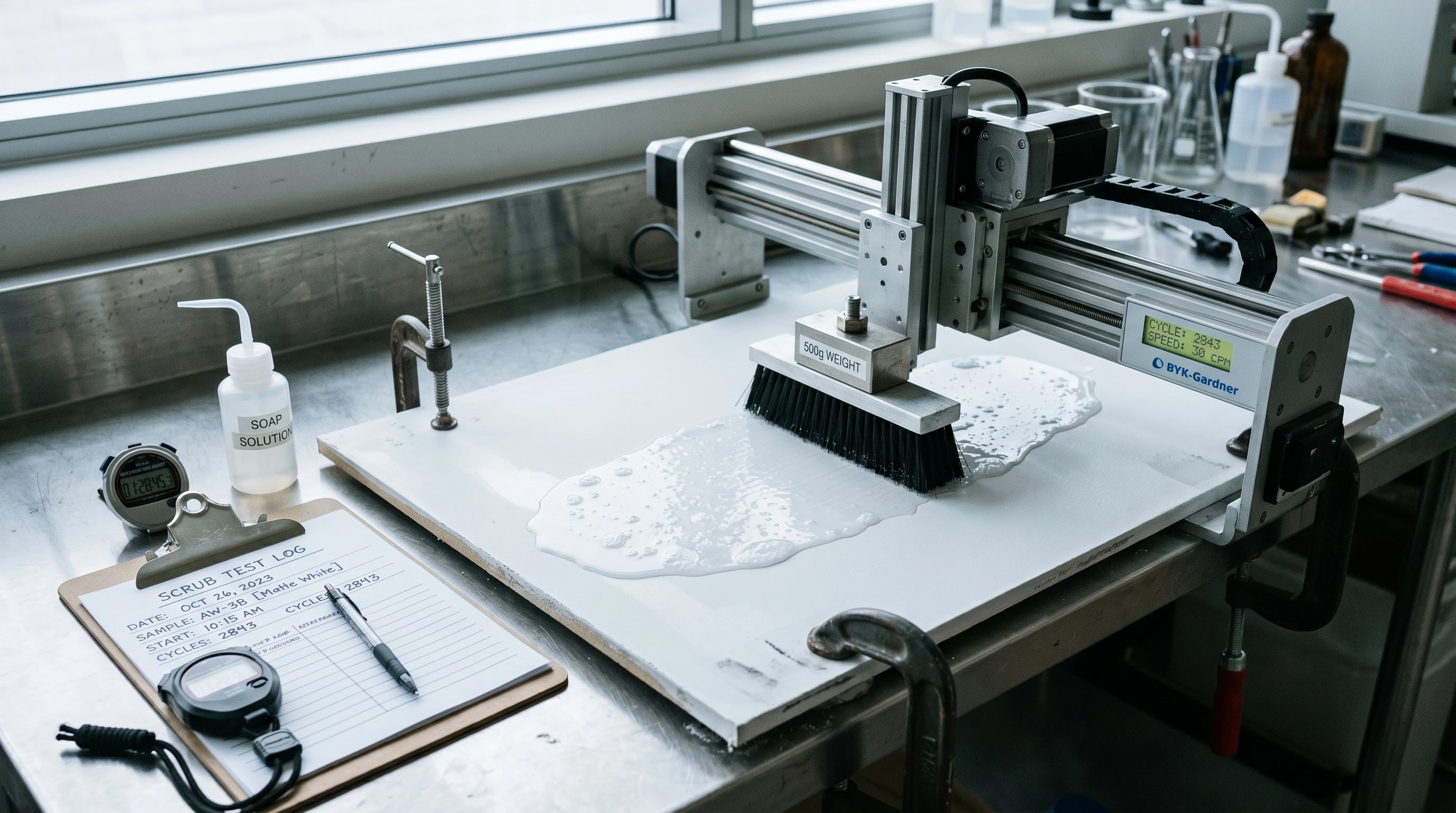
Scrubbability vs Washability: What the Cycle Count on the Spec Sheet Actually Means
ASTM D2486 explained — how scrub cycles get measured, what Class I/II/III mean, and the cure-time and sheen catches that decide whether your wall paint earns its rating.
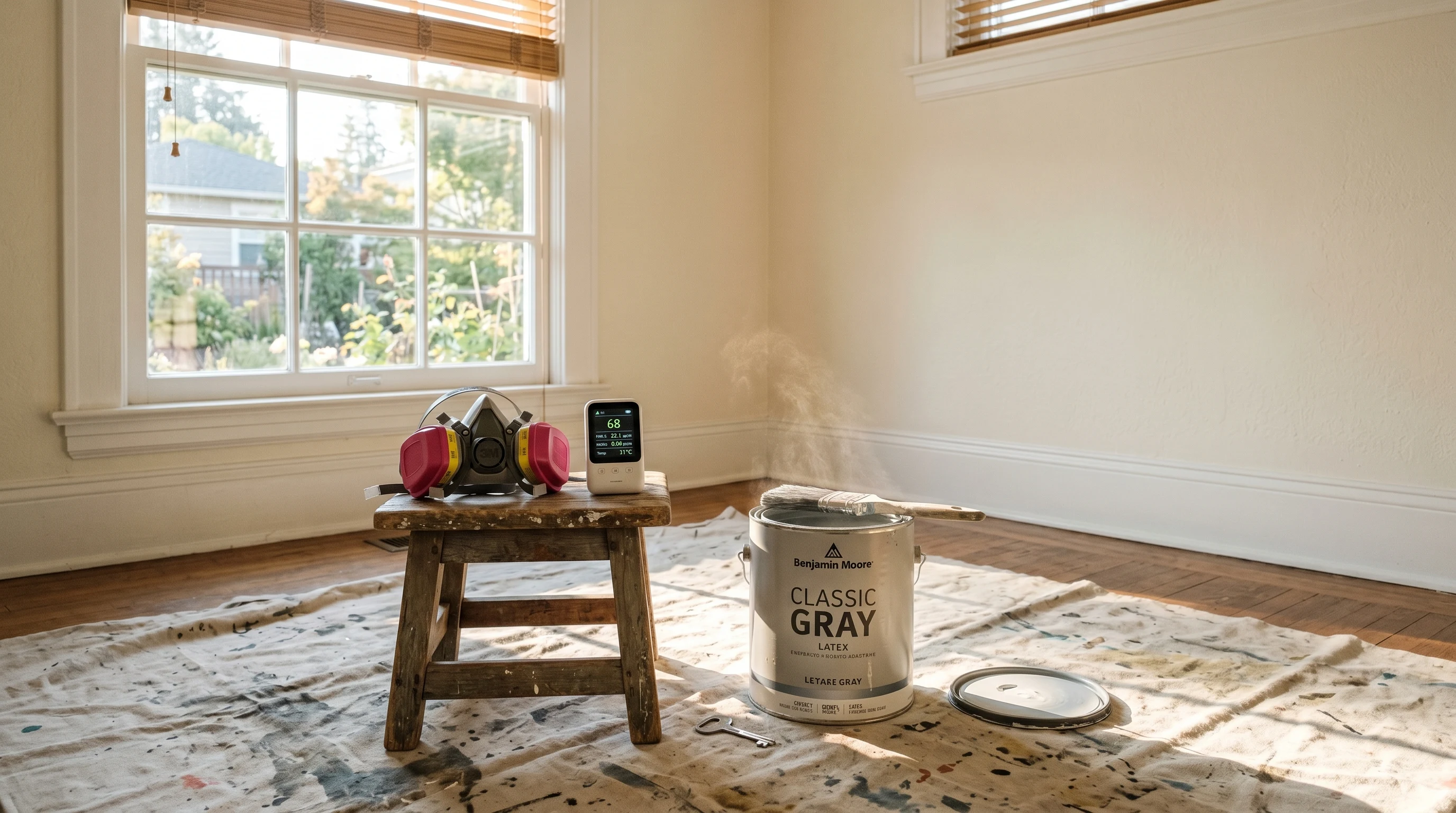
What Are VOCs in Paint? Numbers, Rules, and What Actually Off-Gasses
Volatile organic compounds in paint, explained in g/L and µg/m³. EPA, OTC, SCAQMD, and GreenGuard thresholds, plus what 'zero VOC' actually means at the can.
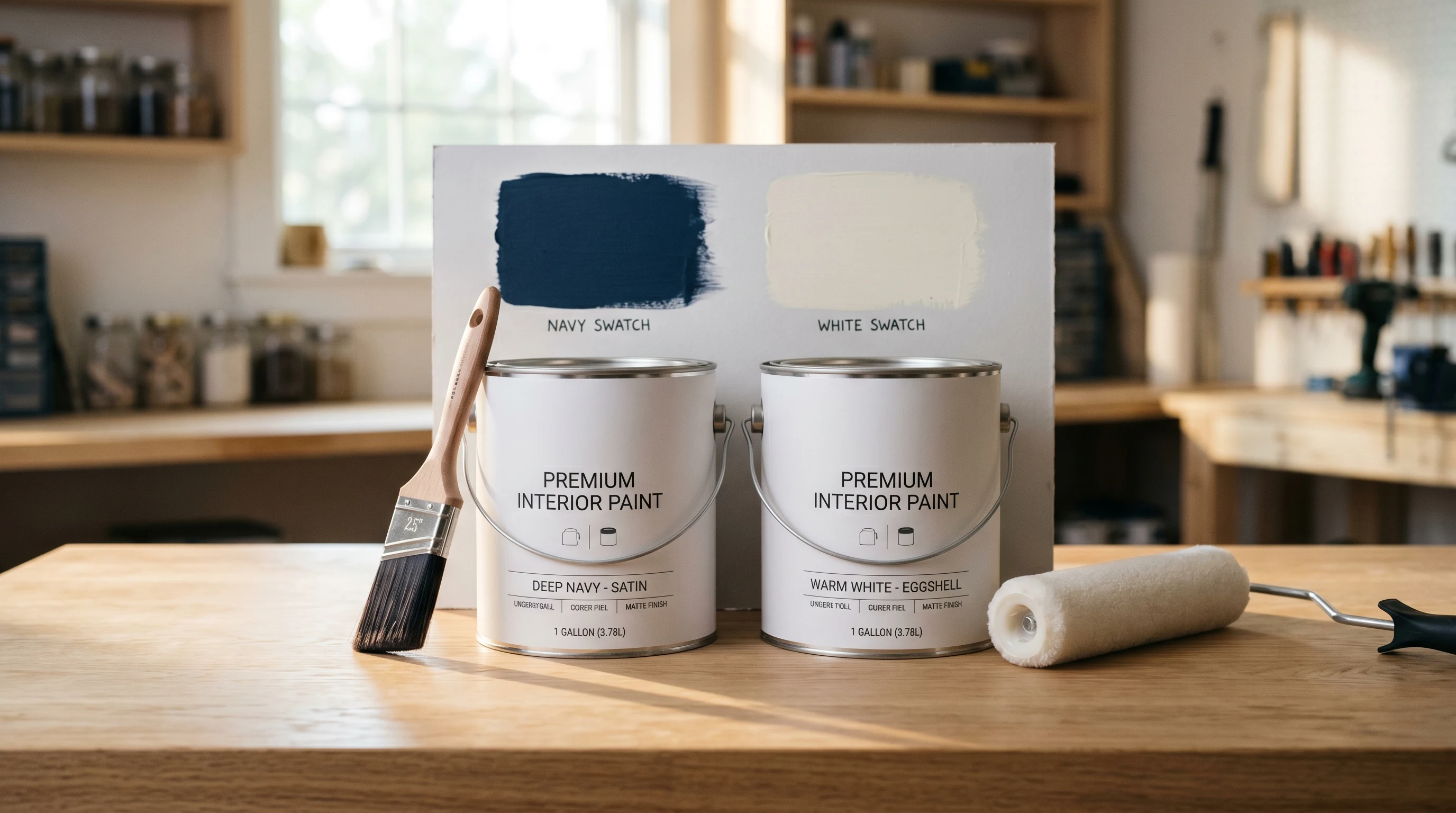
Benjamin Moore Aura vs Sherwin-Williams Emerald: A Chemist's Head-to-Head
Aura vs Emerald on cured film, scrub cycles, color retention, dry times, VOC, and the price reality of full retail vs an SW 30%-off day. Verdict by use case.
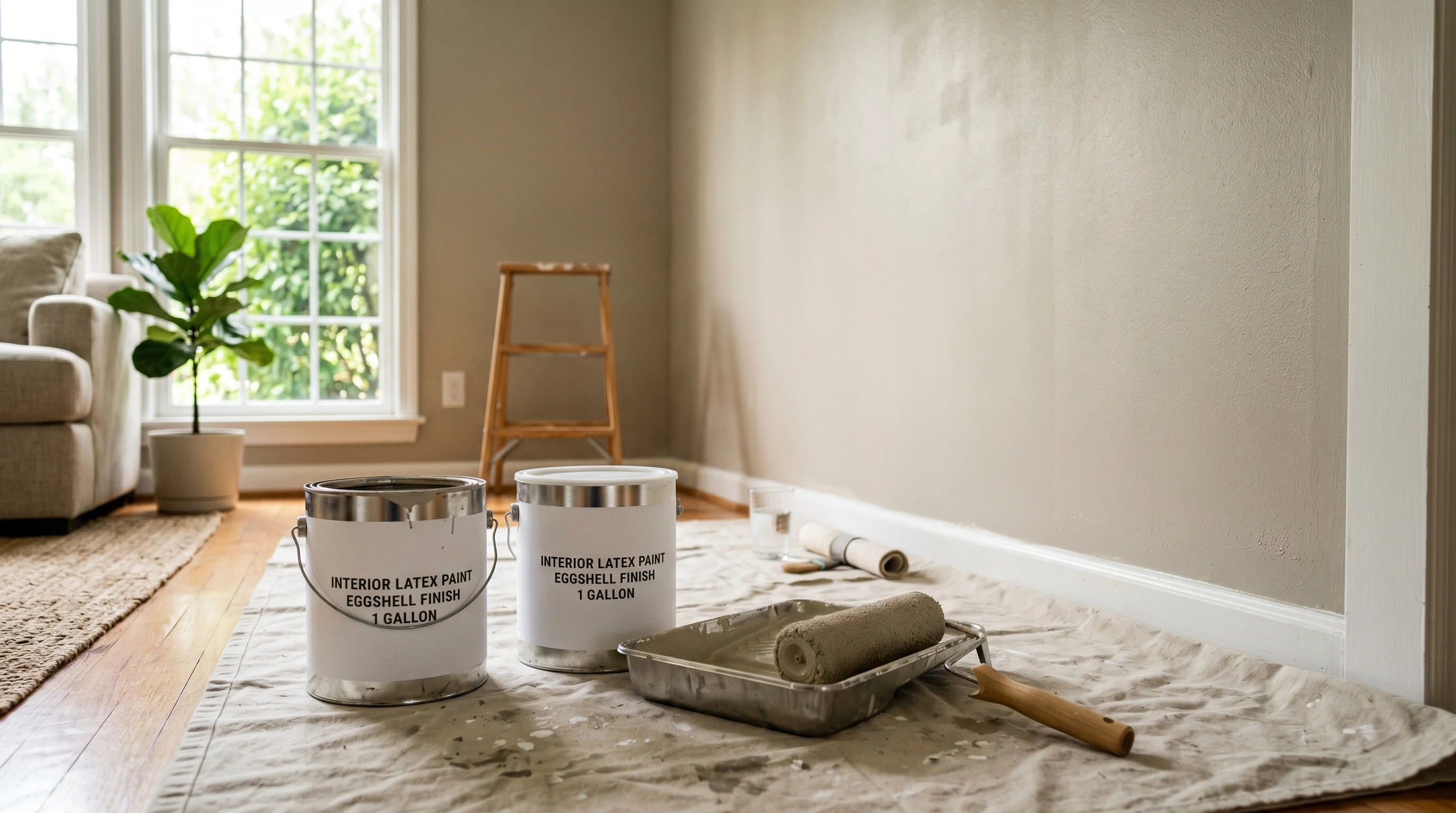
Behr Marquee vs Premium Plus: Is the Upgrade Worth $20 a Gallon?
Marquee vs Premium Plus on one-coat hide, scrub cycles, color retention, recoat windows, and the real labor math. A tester's verdict on when the upgrade pays.
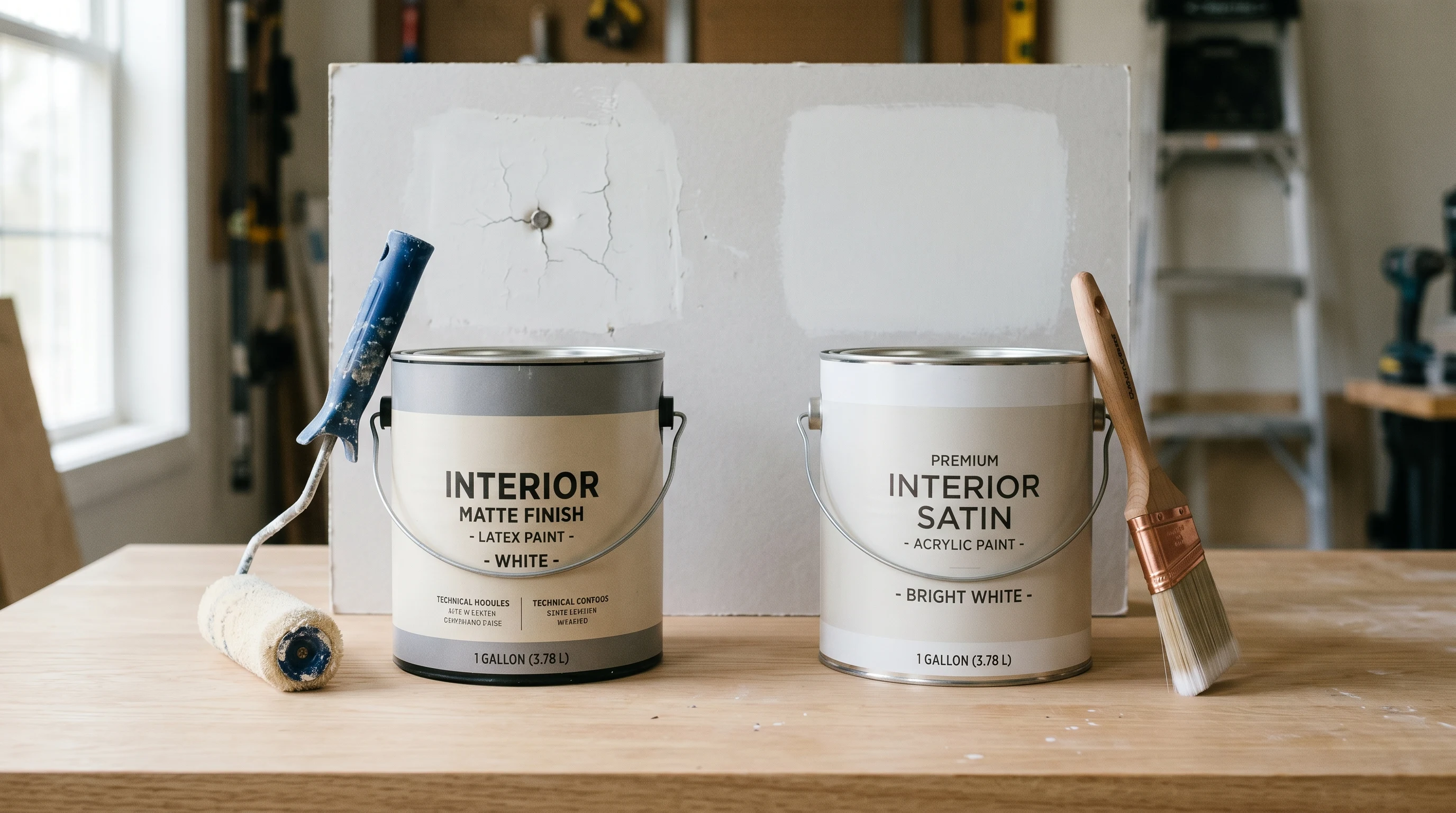
Latex vs Acrylic Paint: The Naming Confusion, the Chemistry, and Which to Buy
A chemist's read on the most-misused label in US paint. What 'latex' actually means, where pure acrylic earns its premium, and which resin class belongs on which wall.
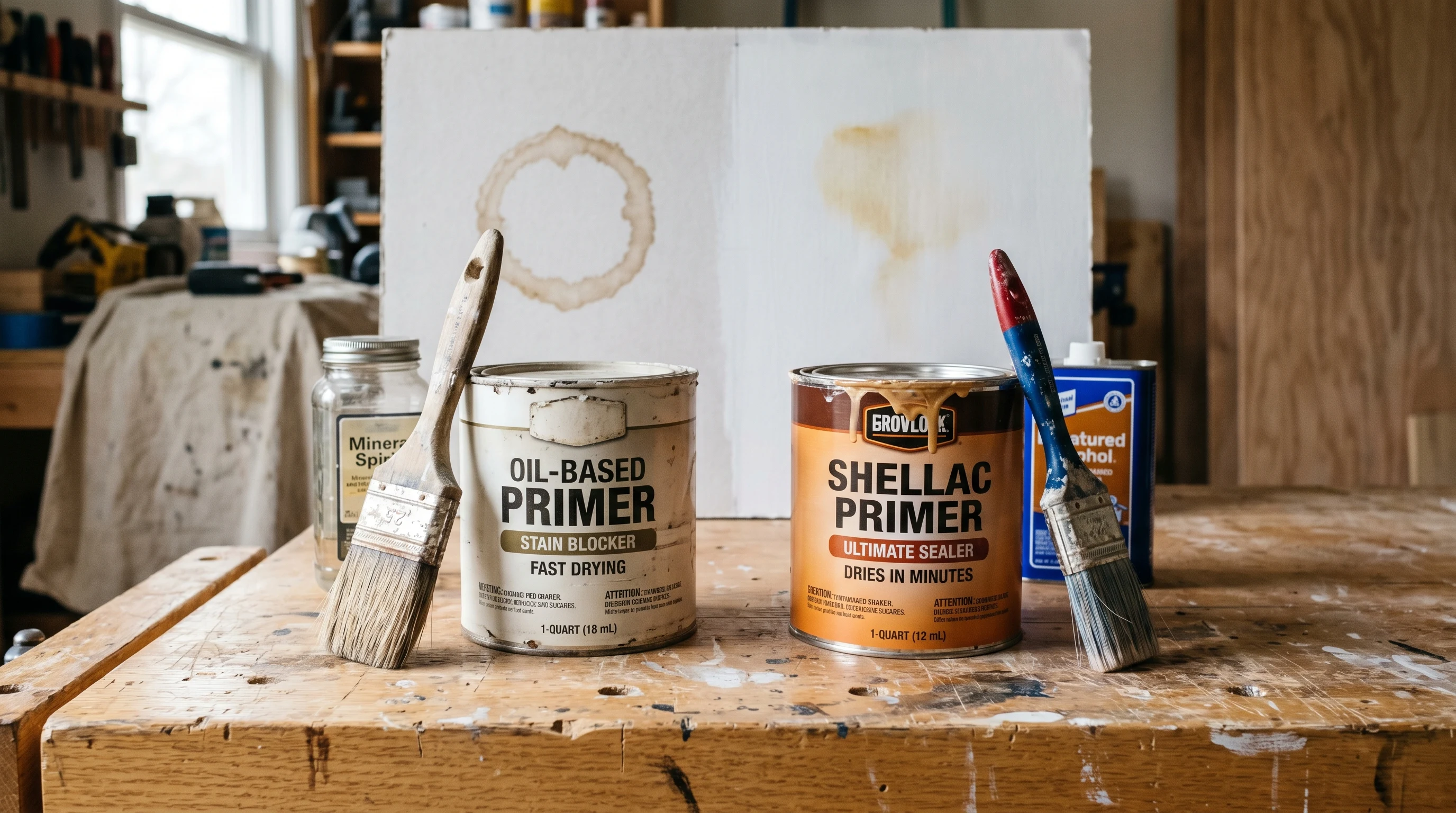
Oil Primer vs Shellac Primer: Cover Stain vs BIN, by Substrate and Stain
A chemist's read on the two industry-standard heavy-duty stain blockers. Where Zinsser BIN's shellac chemistry wins, where Cover Stain's alkyd film wins, and how to pick by substrate, stain type, and job size.
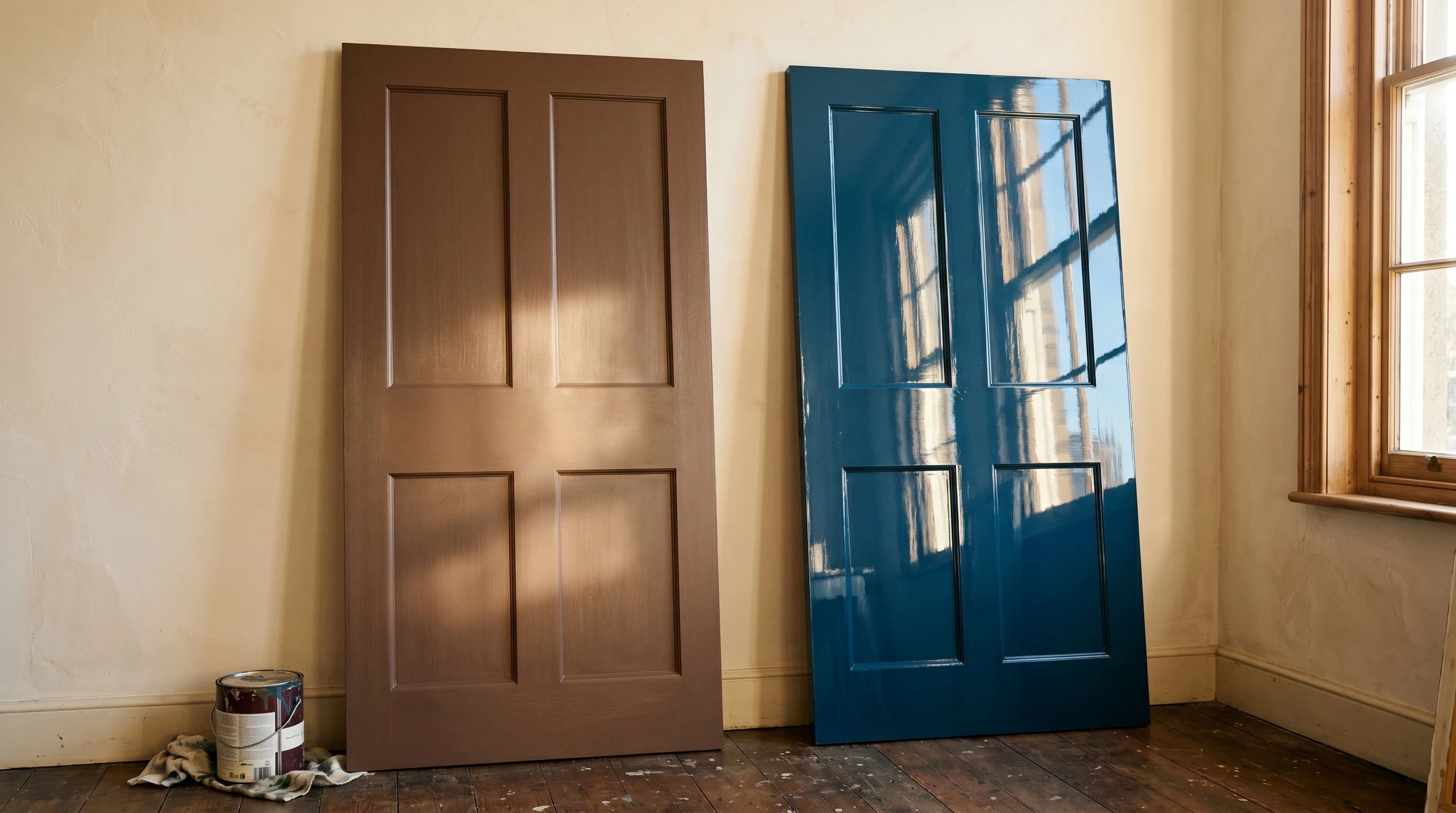
Semi-Gloss vs Gloss: The Trim and Door Sheen Decision
How to choose between semi-gloss and high-gloss for trim, doors, and cabinets — gloss-unit numbers, surface-flaw reality, and a verdict by use case.
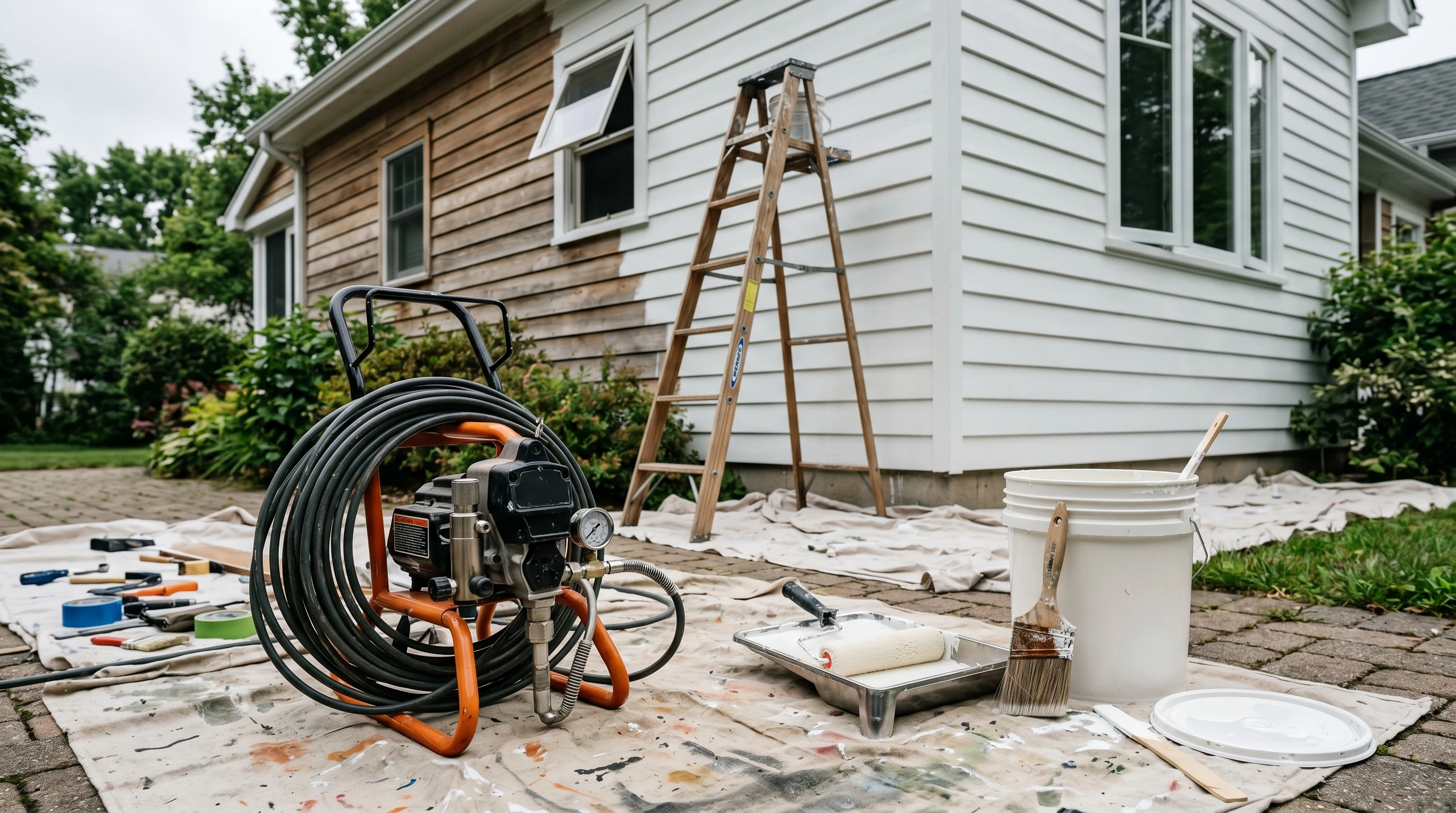
Spray vs Roll vs Brush: Which Method Wins by Job
A jobsite-tested verdict on the three application methods. Where airless and HVLP genuinely beat a 9-inch roller, and where the sprayer is the wrong tool.
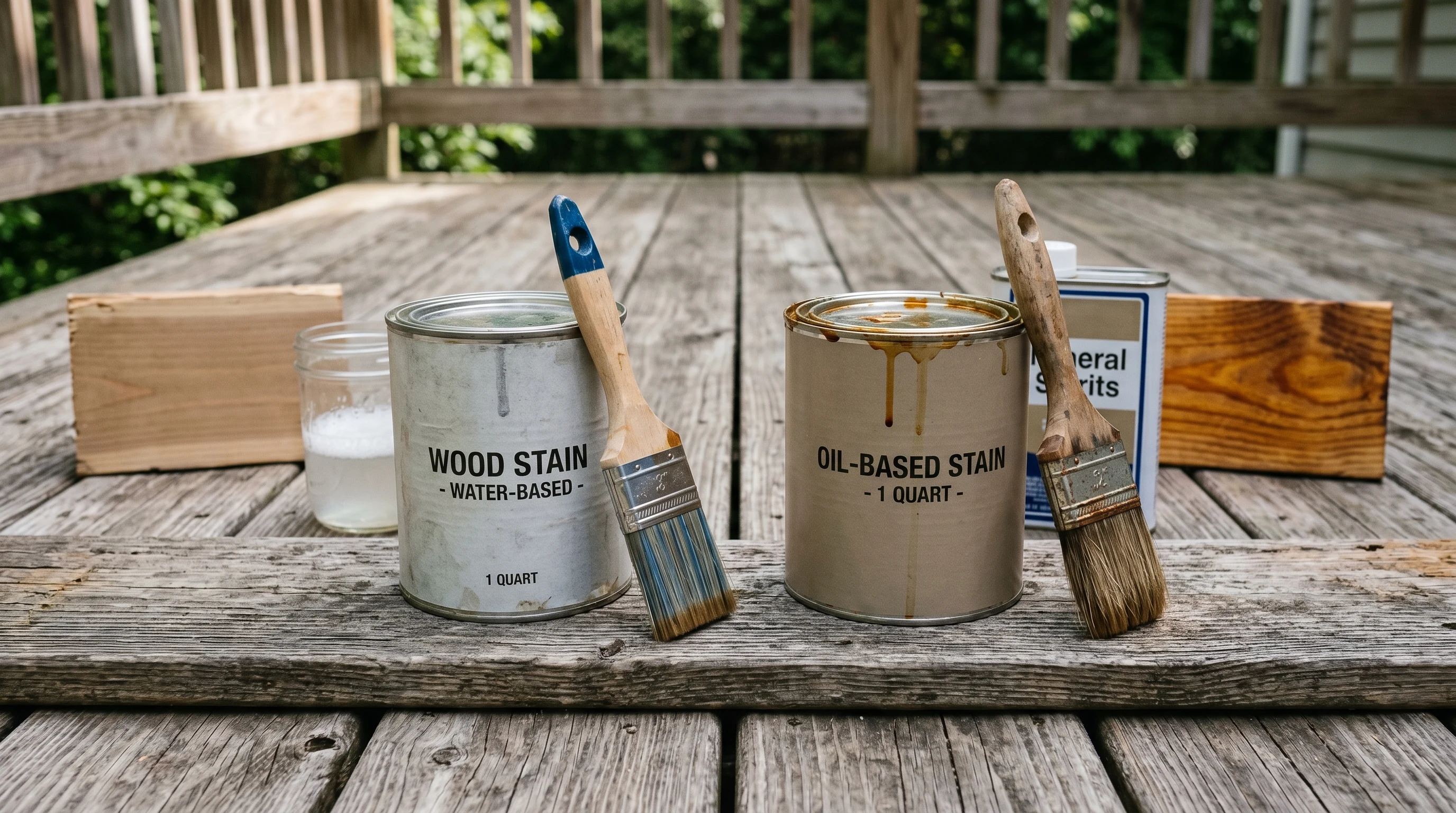
Water-Based vs Oil-Based Wood Stain: A Chemist's Head-to-Head
Oil penetrates 4-8 mils into the fiber; water-based sits at 2-4 mils. Why that one number drives every other difference, plus VOC, dry times, and the recoat rules that prevent peeling.
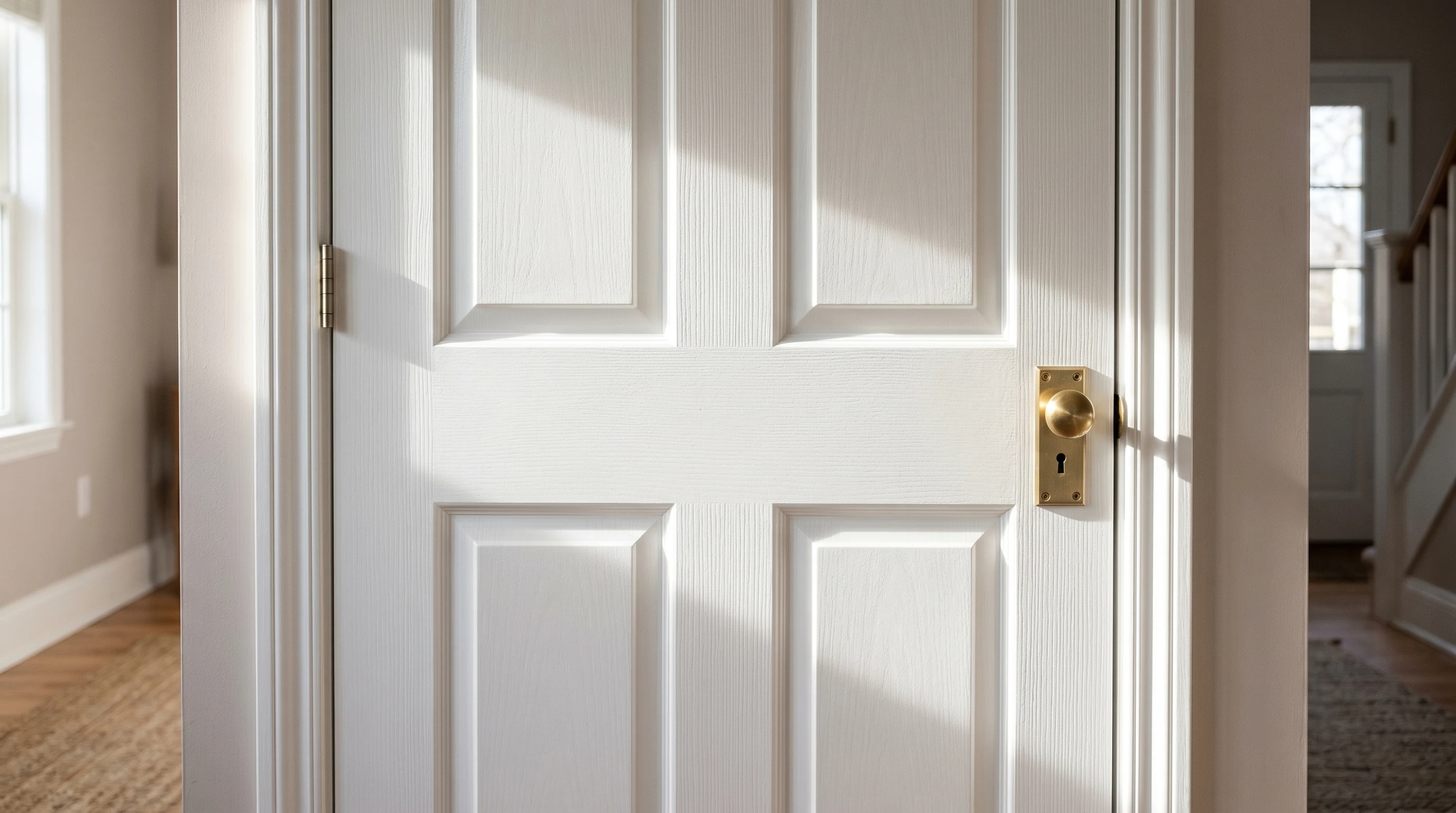
Brush Strokes on Trim and Doors — Why They Show and How to Lay Paint Flat
Brush strokes on a finished door or trim mean the paint film froze before it self-leveled. Pick leveling-engineered paint, swing a real brush, condition the can with Floetrol, and the stroke lines disappear.
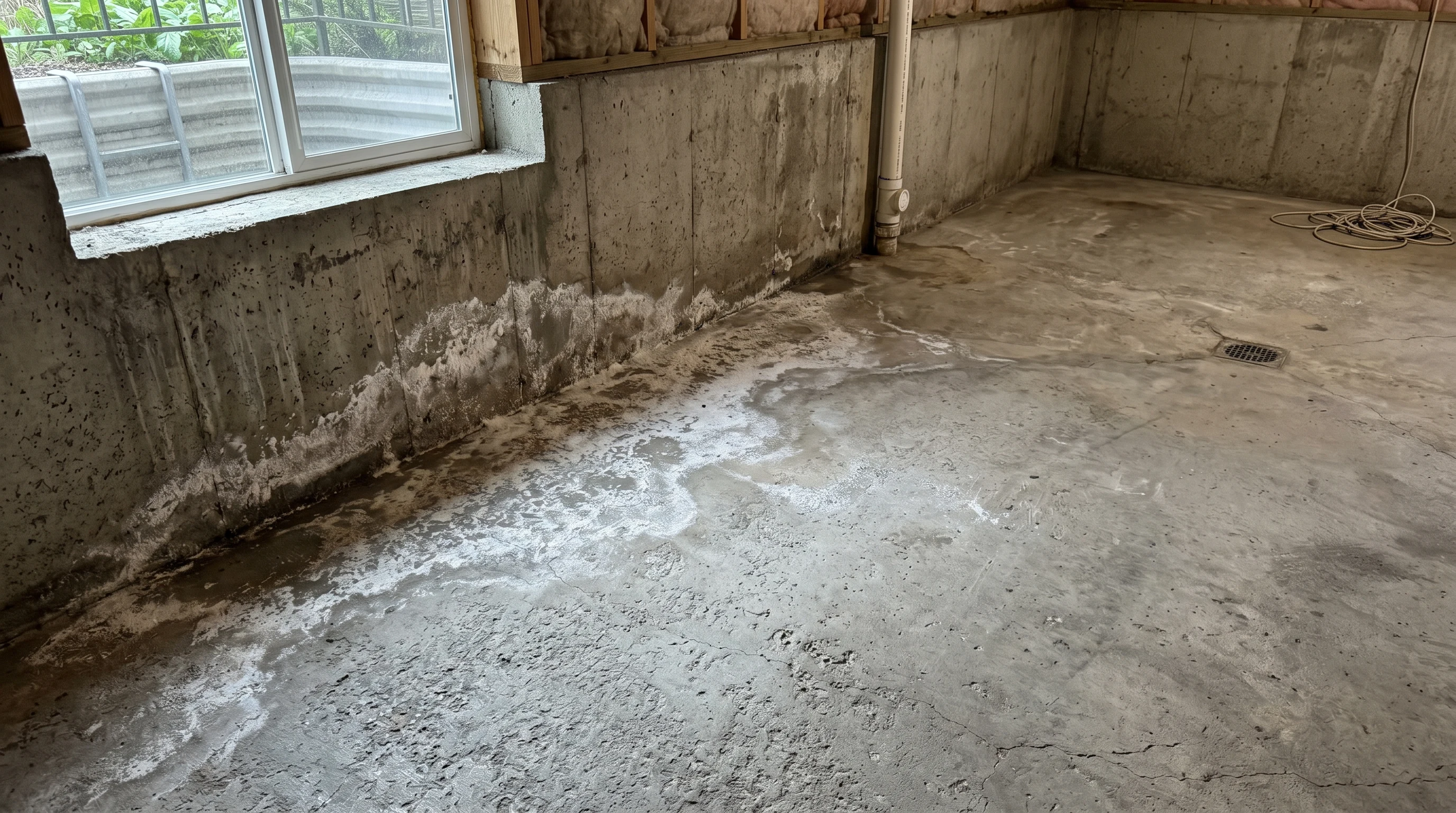
How to Fix Efflorescence on a Concrete Floor (and Stop the Bloom Coming Back)
White powdery bloom on a concrete floor is salts pushed up by moisture. Diagnose the source, etch the slab, dampproof the surface, and recoat so the paint actually holds.
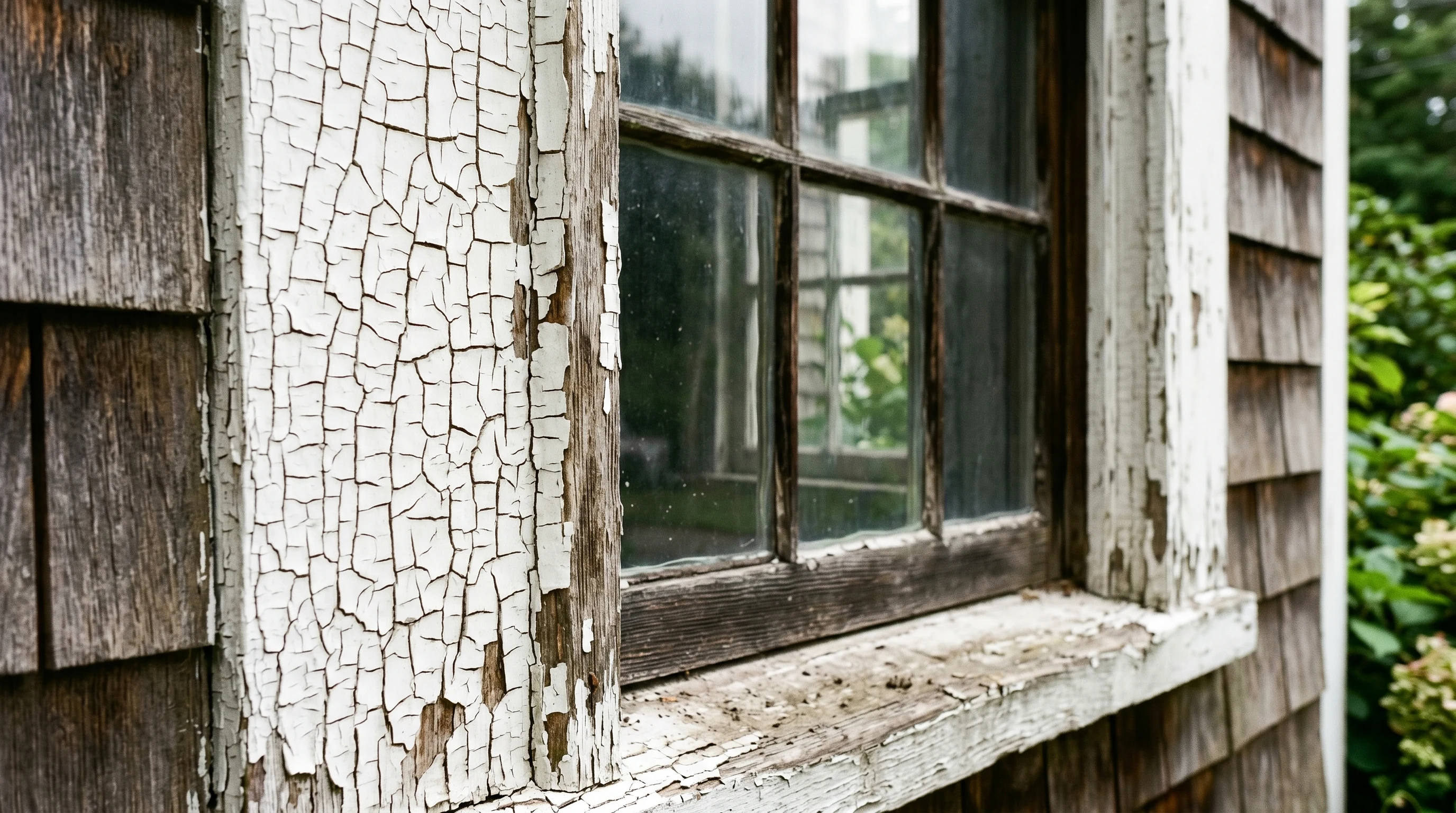
Cracking and Alligatoring — Why Old Paint Looks Like Reptile Skin and How to Fix It
Alligatored paint is a network of cracks, not a peel and not a bubble. Diagnose the cause — paint mismatch, trapped solvent, or age — then scrape, encapsulate, or strip and rebuild so the next coat actually holds.