Paint problems and how to fix them
Most paint failures are diagnostic problems first and product problems second. Identify the cause, apply the right fix, repaint with a film that won't repeat the failure.
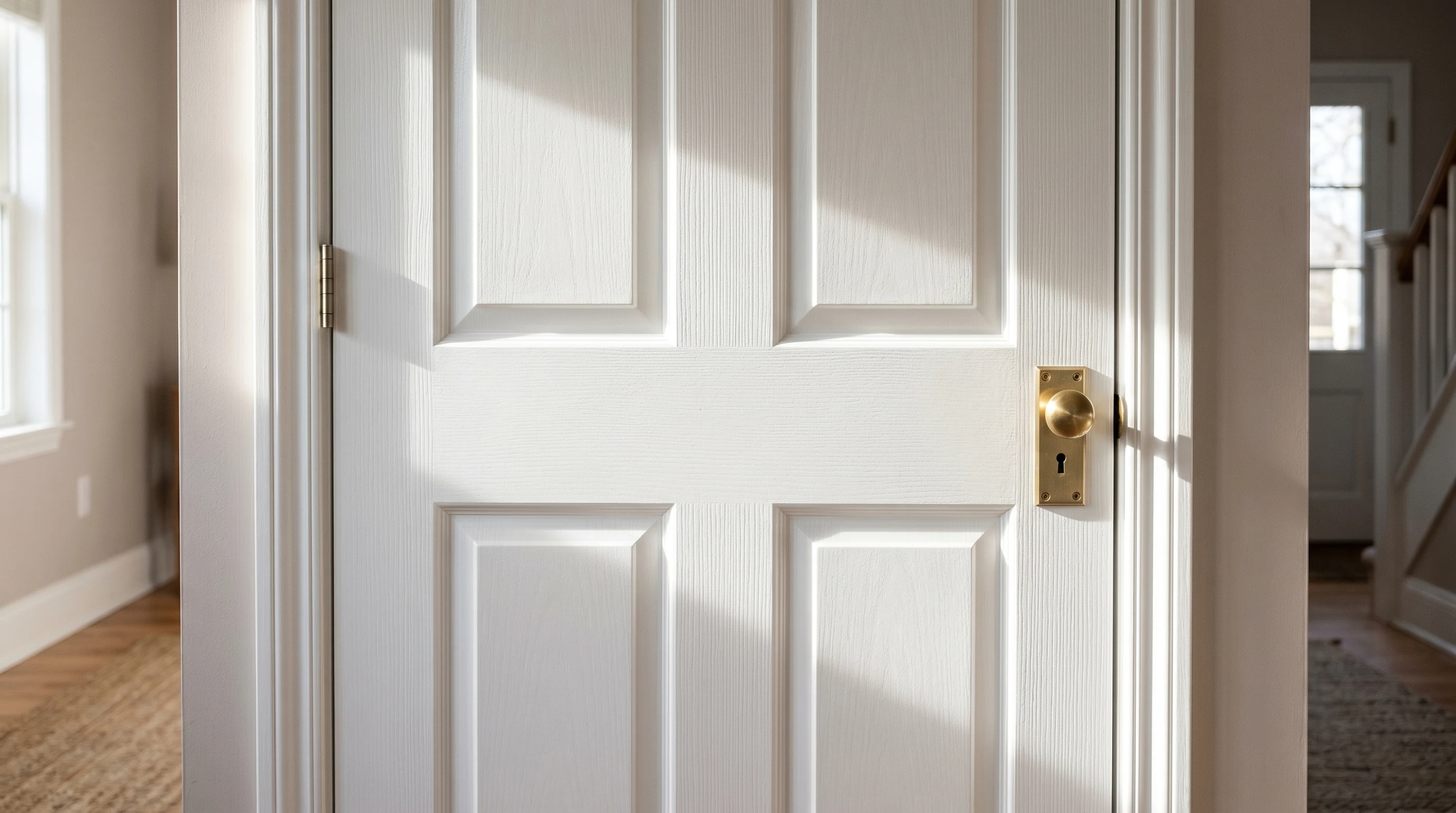
Brush Strokes on Trim and Doors — Why They Show and How to Lay Paint Flat
Brush strokes on a finished door or trim mean the paint film froze before it self-leveled. Pick leveling-engineered paint, swing a real brush, condition the can with Floetrol, and the stroke lines disappear.
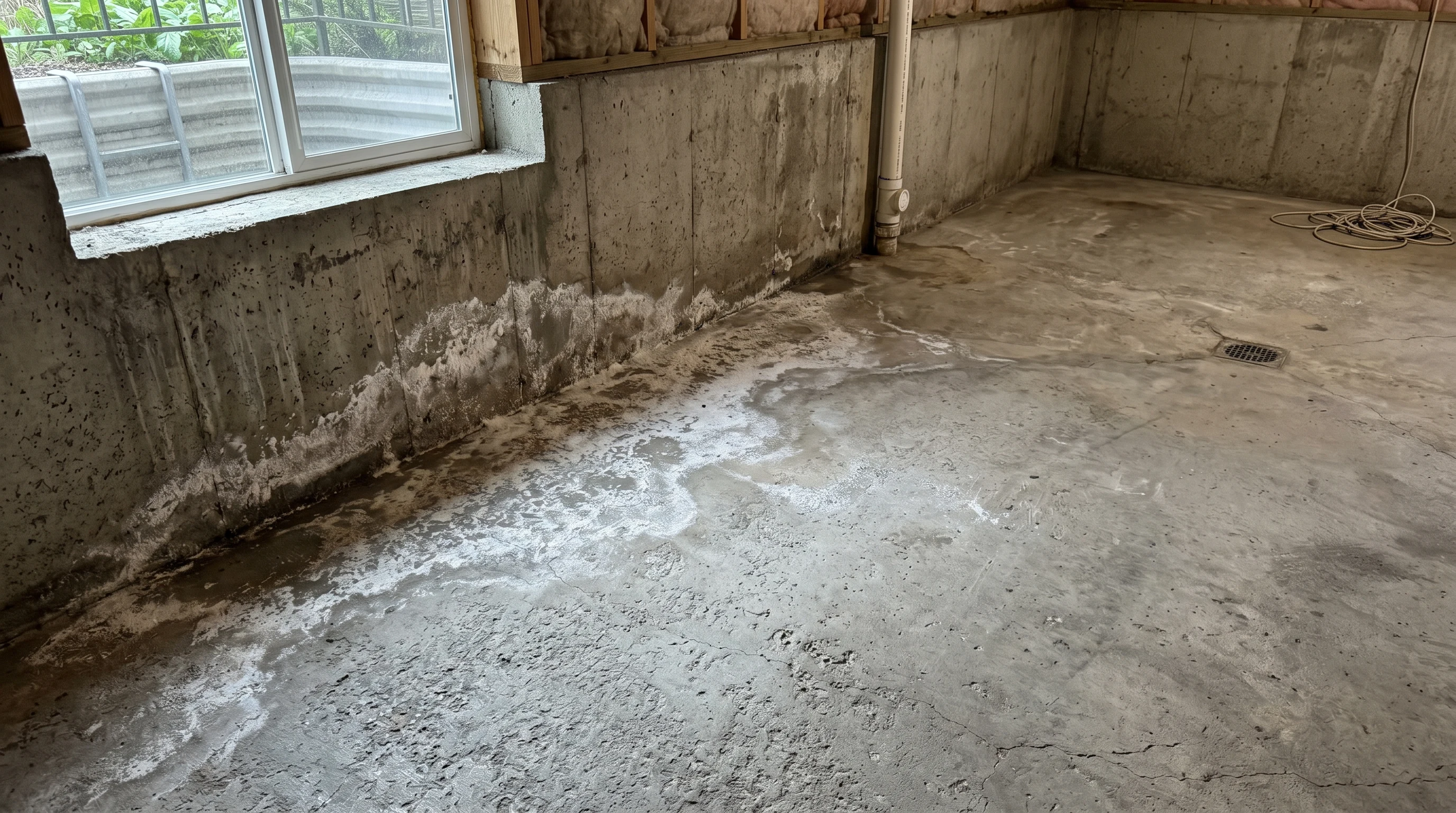
How to Fix Efflorescence on a Concrete Floor (and Stop the Bloom Coming Back)
White powdery bloom on a concrete floor is salts pushed up by moisture. Diagnose the source, etch the slab, dampproof the surface, and recoat so the paint actually holds.
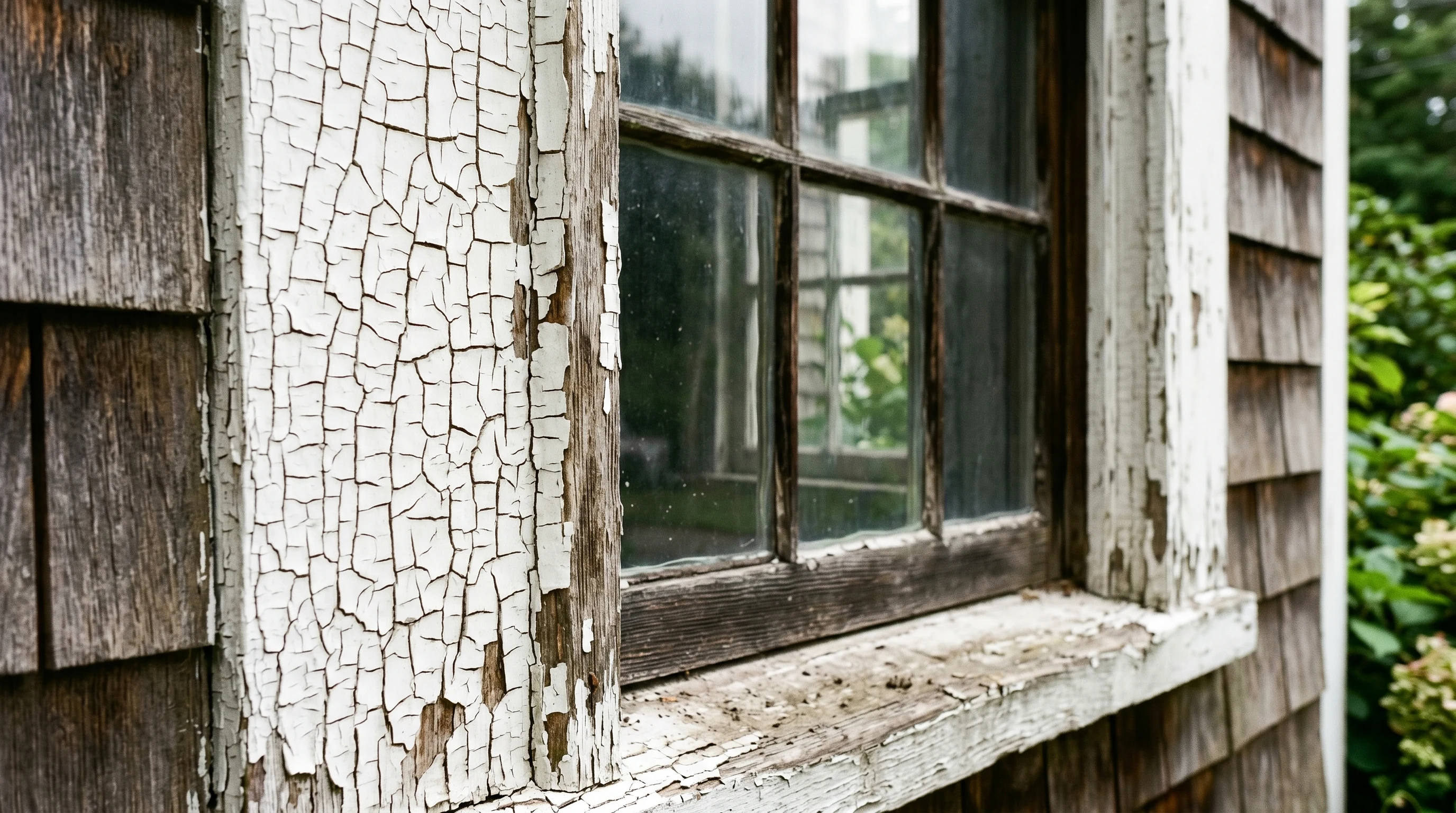
Cracking and Alligatoring — Why Old Paint Looks Like Reptile Skin and How to Fix It
Alligatored paint is a network of cracks, not a peel and not a bubble. Diagnose the cause — paint mismatch, trapped solvent, or age — then scrape, encapsulate, or strip and rebuild so the next coat actually holds.
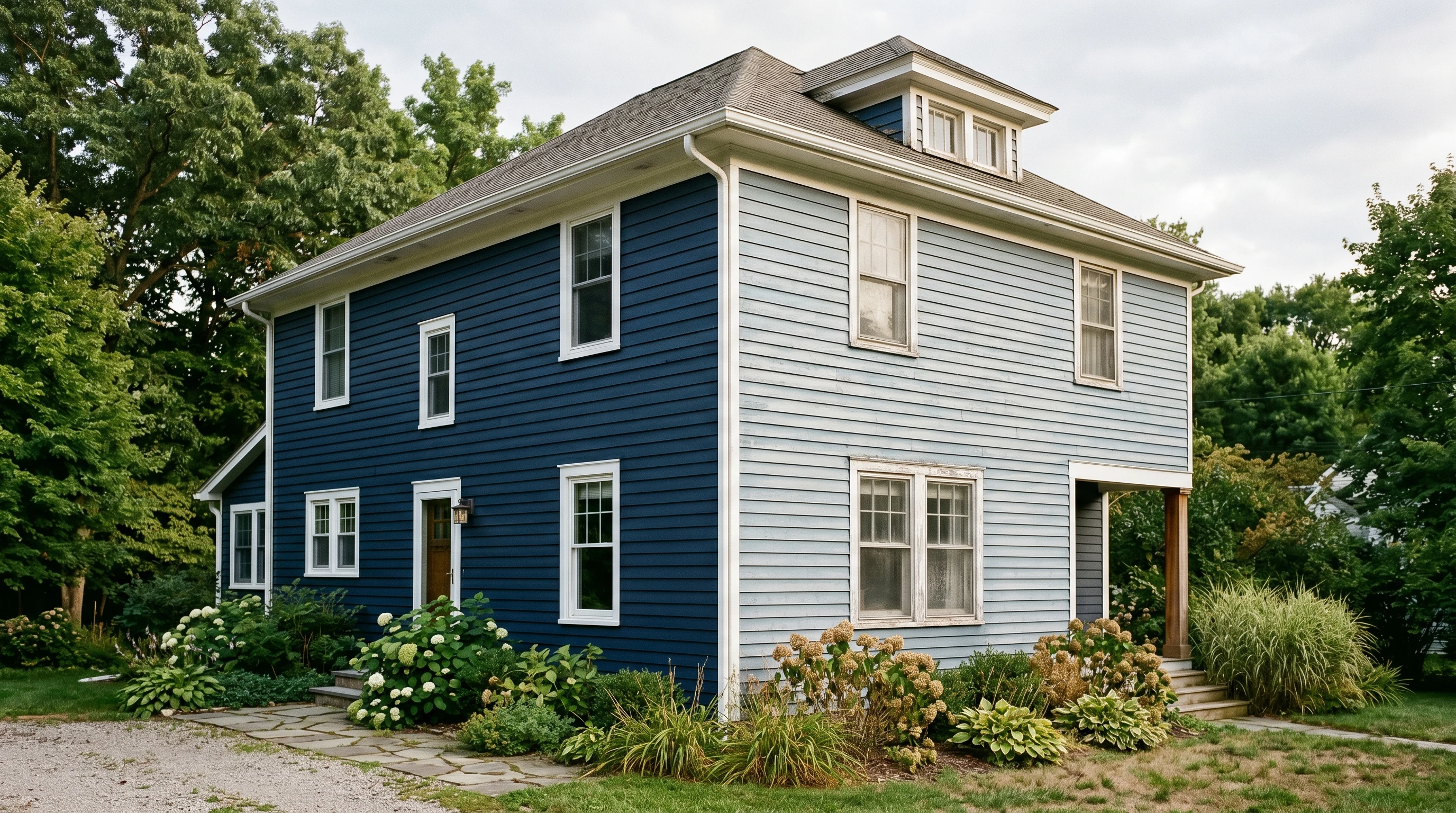
Exterior Paint Fading and Chalking — Why South Walls Lose Color First and How to Fix It
UV light degrades the resin in exterior paint, pigment loosens, rain washes it off as chalk. Diagnose the cause, run the chalk test, then dechalk, prime, and recoat with a UV-stable acrylic so it holds another 12 to 15 years.
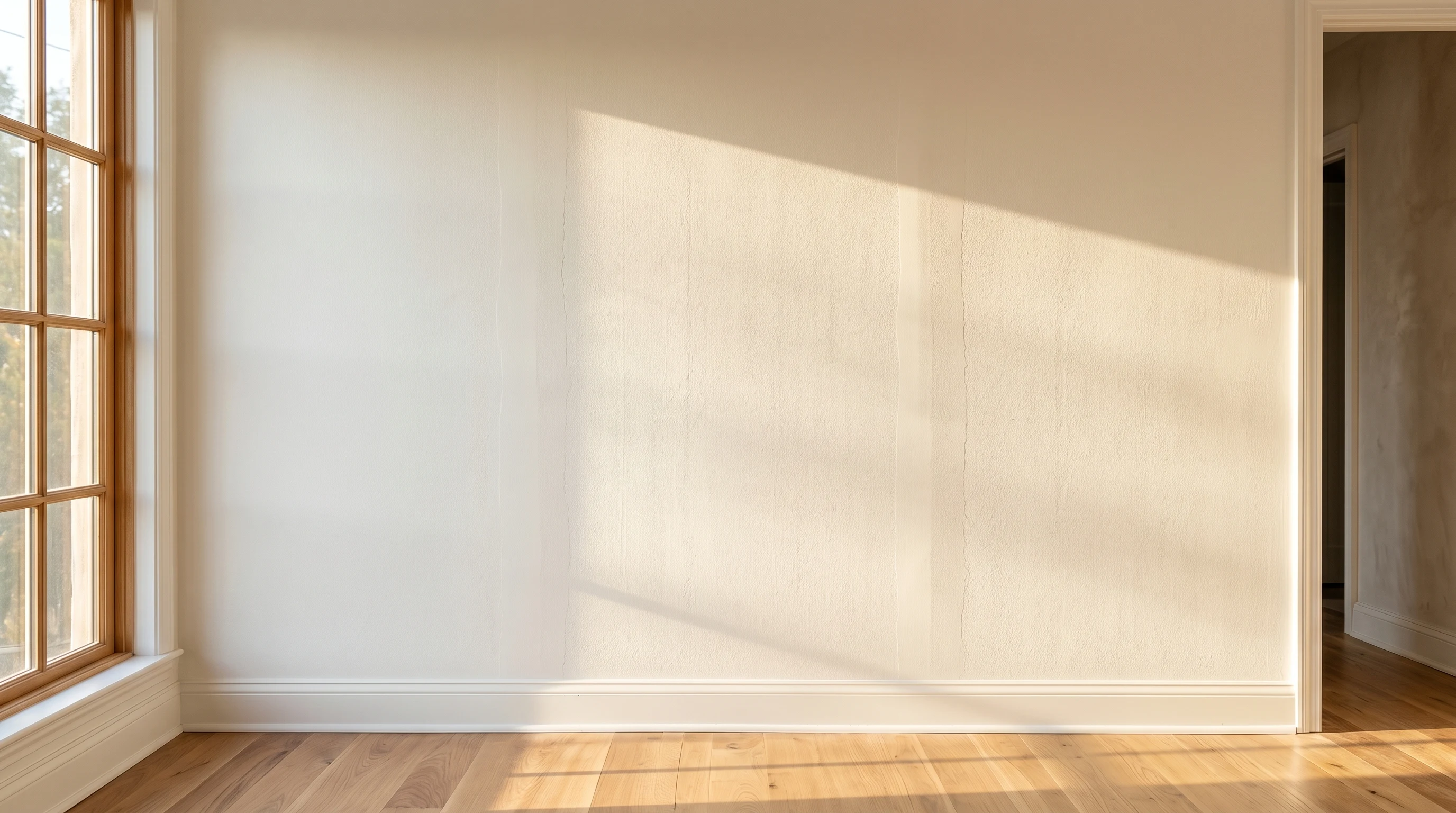
Lap Marks — Why You See the Seams and How to Roll Them Out
Lap marks are visible bands where the wet edge dried before the next pass overlapped. Diagnose the cause, fix existing marks, and roll the next wall right.
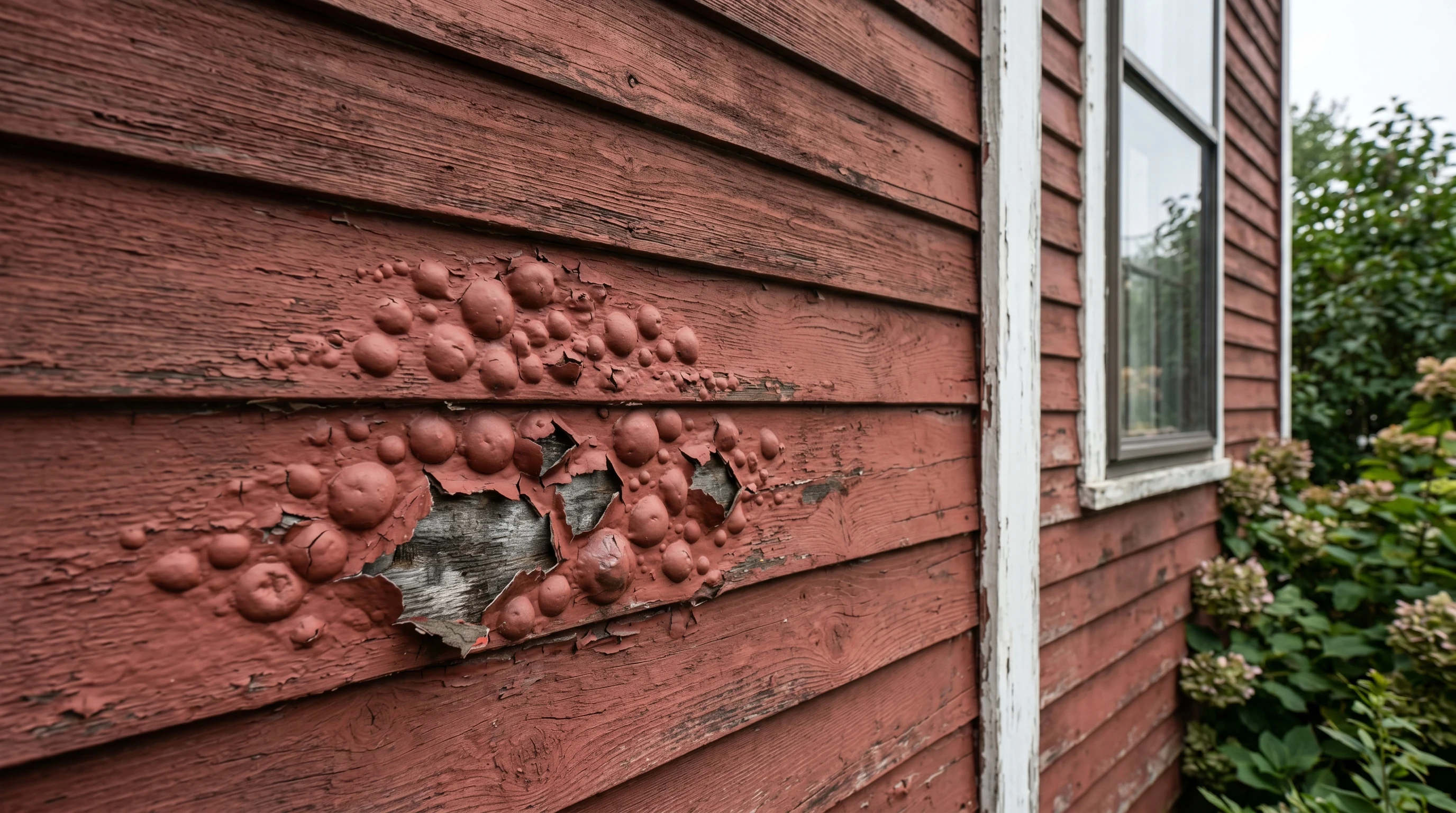
How to Fix Paint Bubbling and Blistering (and Stop It Coming Back)
Bubbles and blisters in a paint film mean heat, trapped solvent, moisture, or contamination — not a bad can of paint. Diagnose which one, fix the cause, then scrape, prime, and recoat so it actually holds.
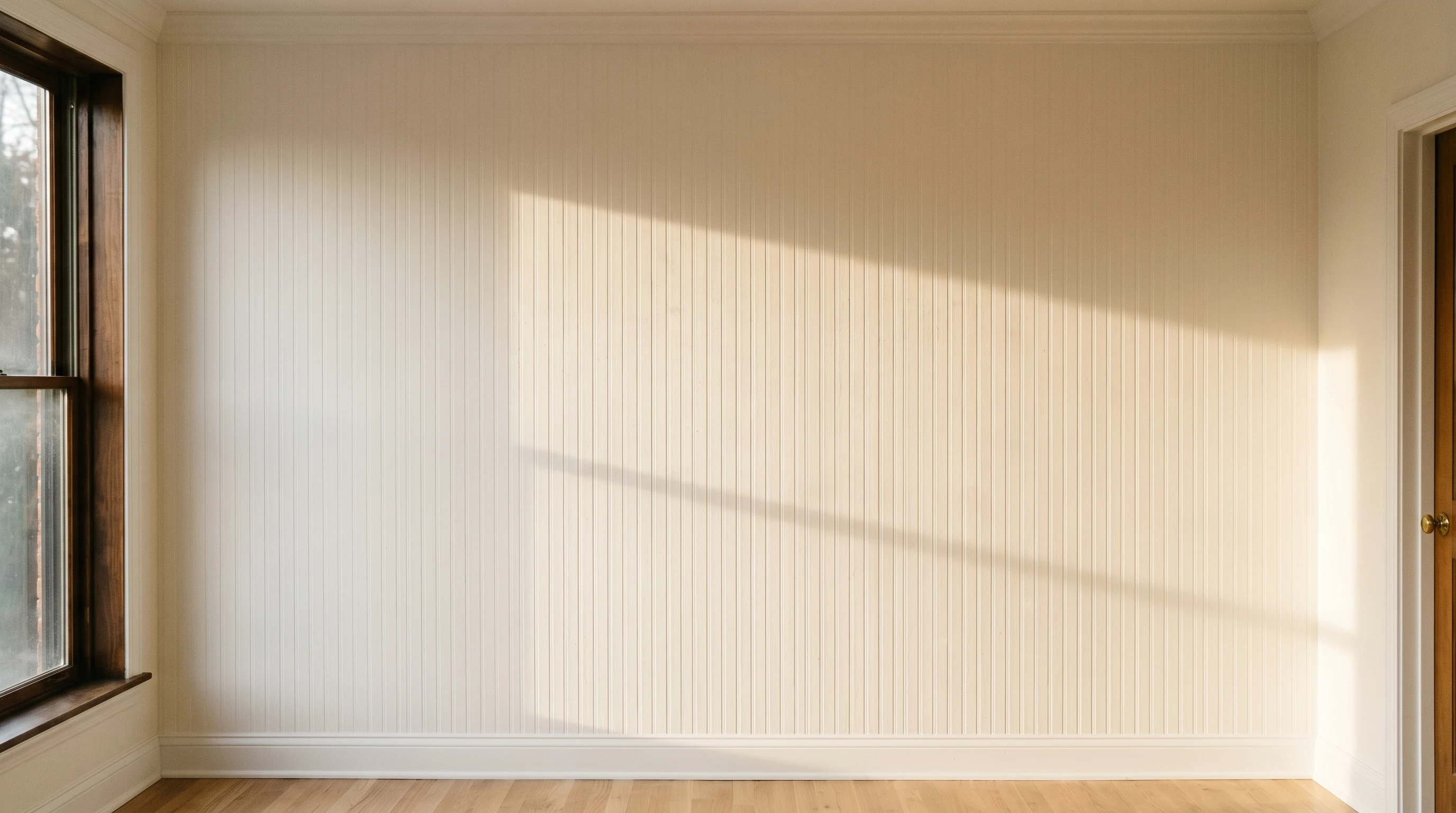
Roller Marks — Why You See the Track and How to Roll Flat
Roller marks are the track lines a roller leaves across a finished wall. Diagnose nap, cover quality, or technique, then sand the ridges, recoat the wall, and roll the next one without striping.
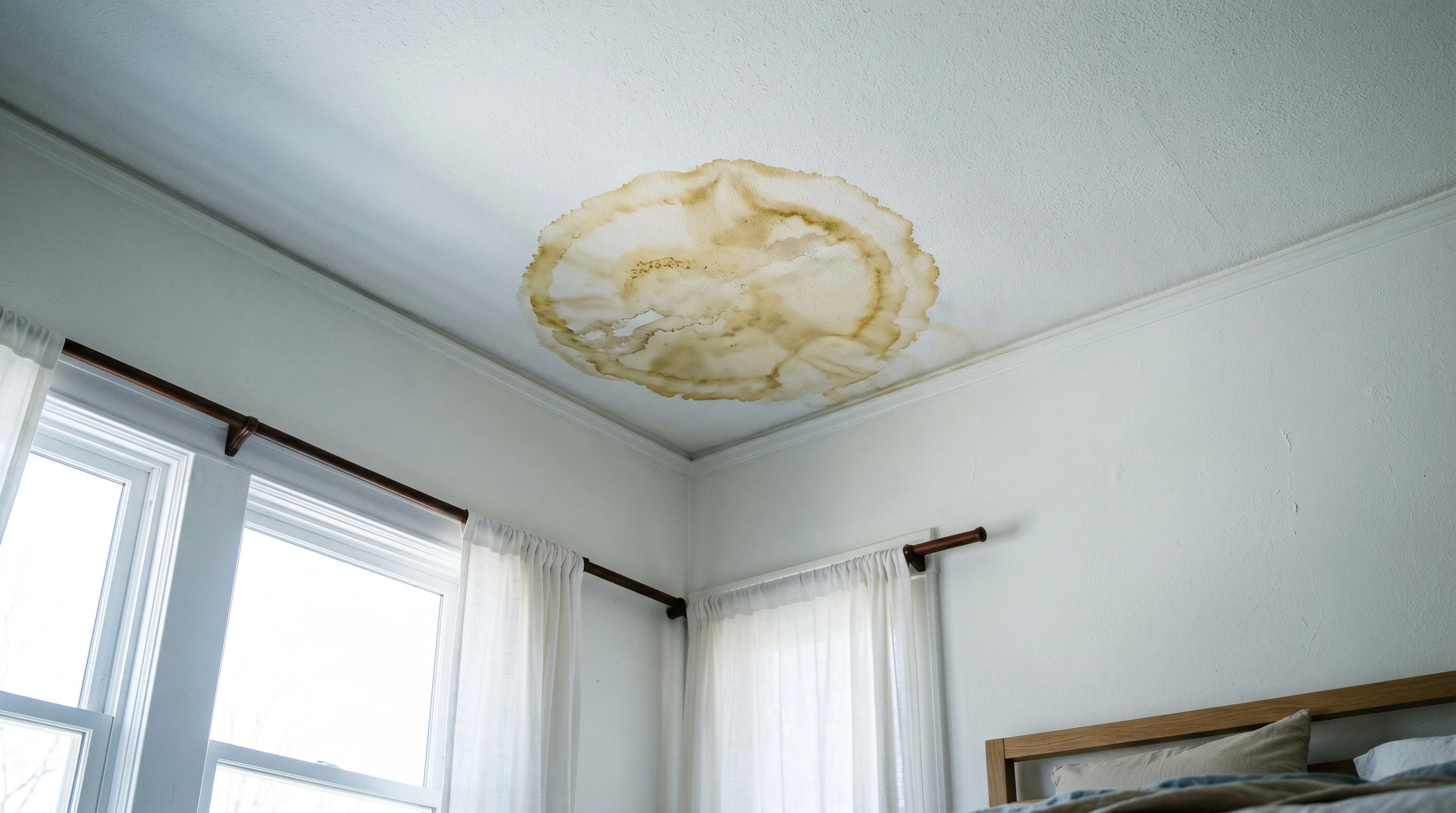
How to Fix Water Stains on a Ceiling (and Stop Them Bleeding Back Through)
Diagnose an active leak vs a cured stain, fix the source first, then spot-prime with the right stain blocker — Zinsser BIN, Cover Stain, or Bulls Eye 1-2-3 — and repaint without flashing.
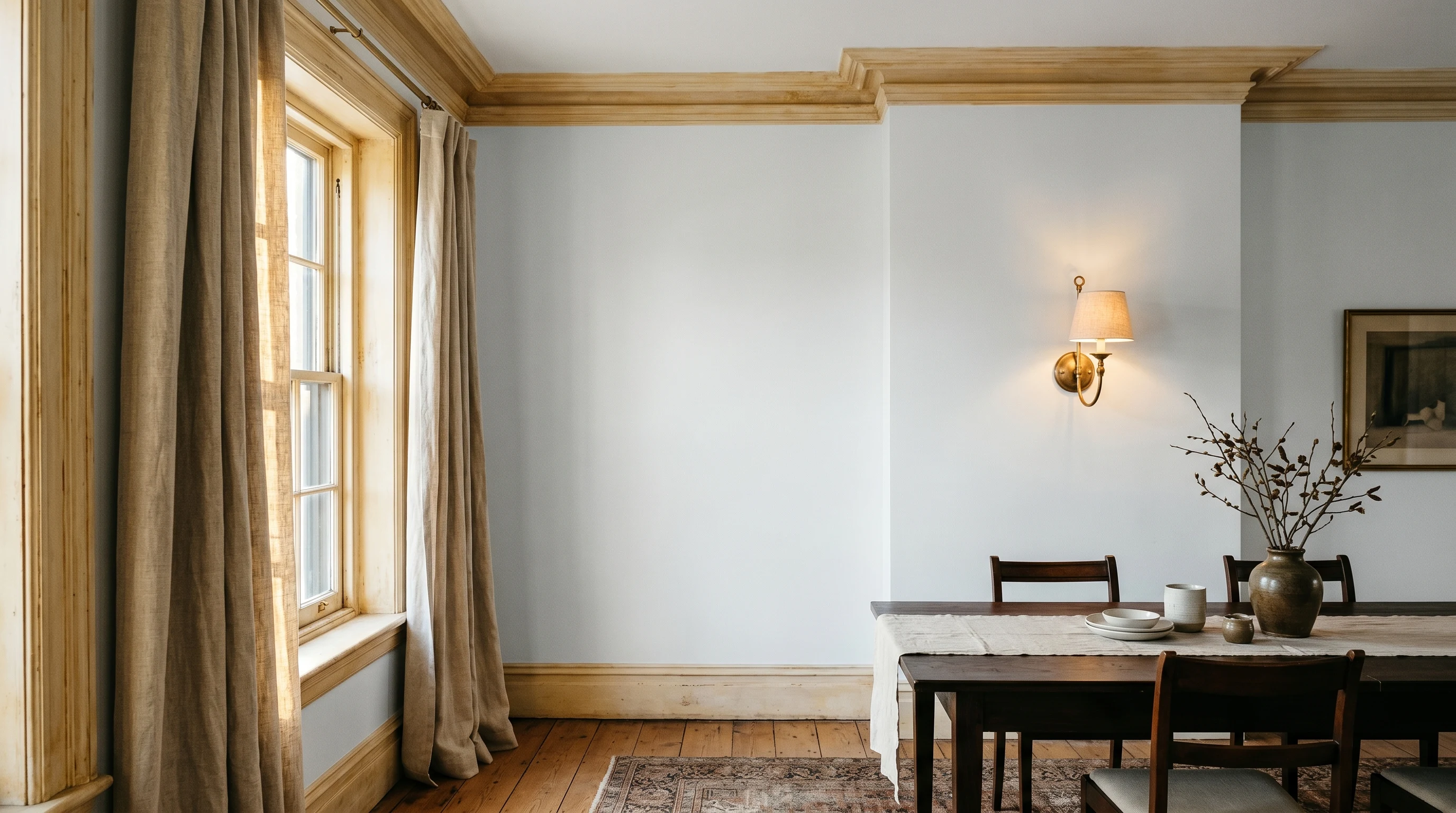
Yellowing Trim — Why White Goes Amber and How to Stop It
White trim turns amber over time because of resin chemistry, low-UV rooms, and surface contamination. Diagnose with a wipe test and a closet test, then repaint in a non-yellowing waterborne alkyd that holds its white.
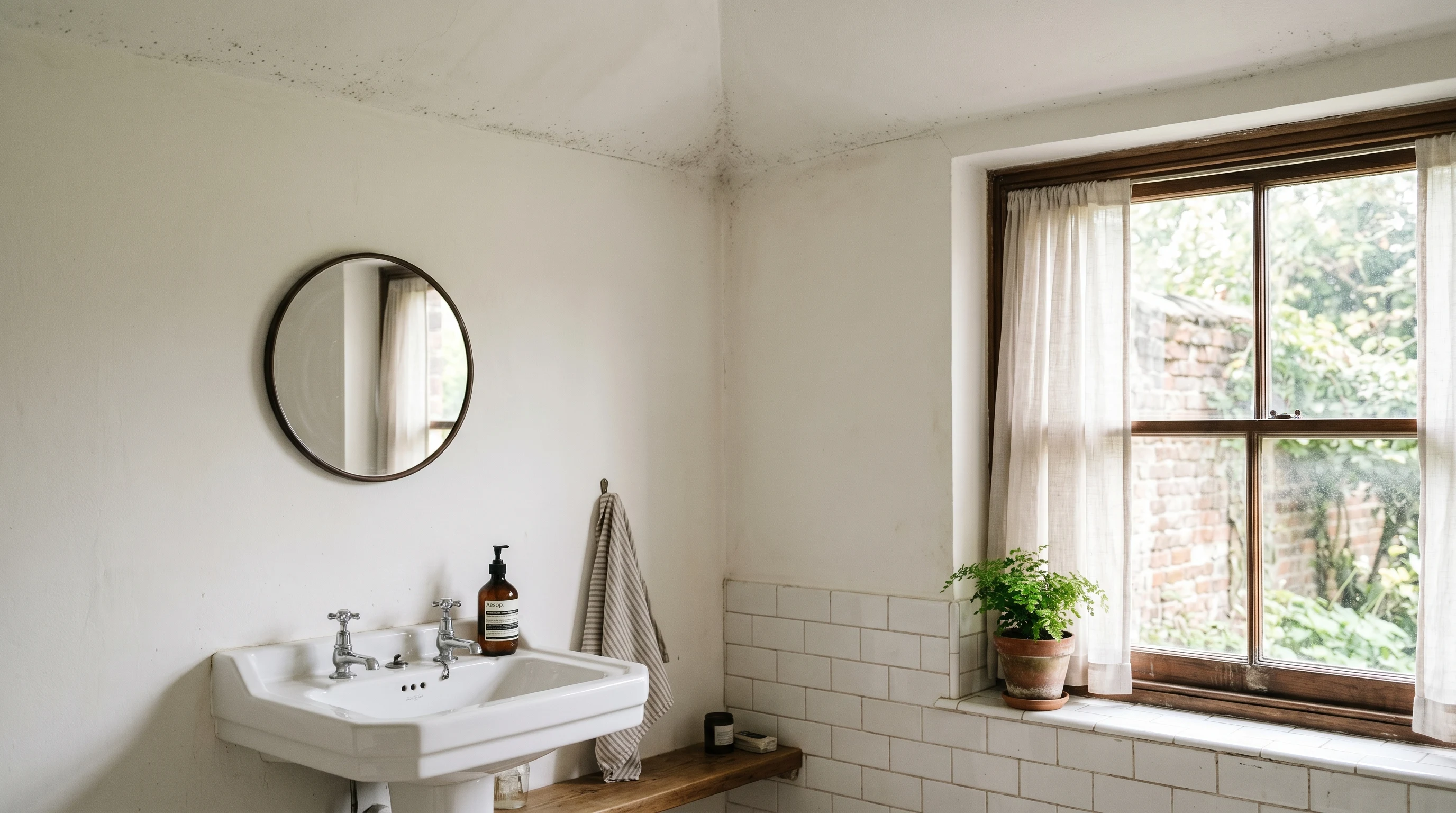
How to Fix Mold on Walls (and Stop It Coming Back)
Diagnose mold vs mildew vs efflorescence, kill it with the right treatment, prime with stain-blocker, repaint with a mold-resistant film. The non-paint fix that actually matters: ventilation.
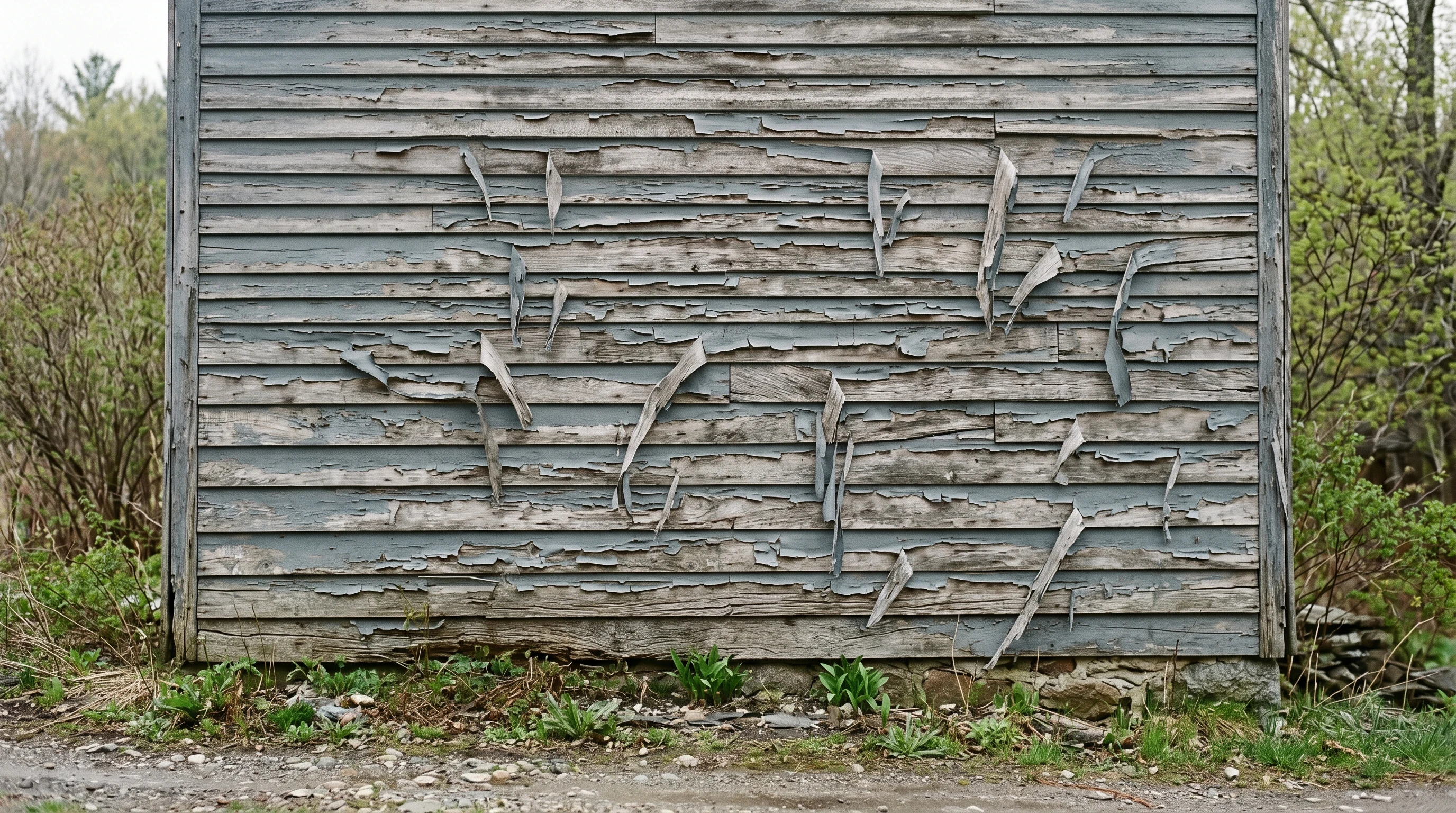
How to Fix Peeling Paint (and Stop It Coming Back)
Diagnose why paint is peeling — moisture, prep failure, wrong primer, incompatible coatings — then scrape, sand, prime, and recoat so it actually holds. The honest fix from a 22-year contractor.